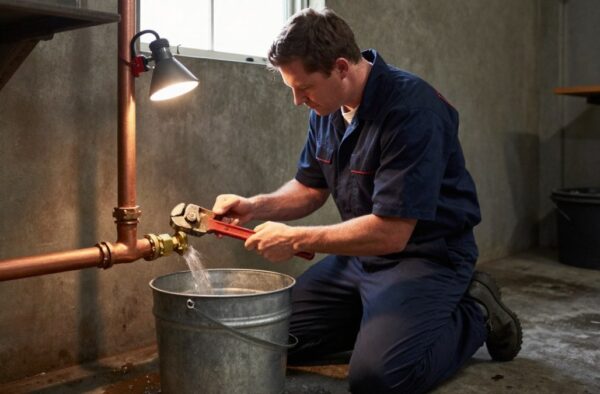
Last Updated: November 8, 2026
Quick Summary
Whole house repiping is often necessary for 1970s homes because galvanized steel and early plastics are well past their service life, but the honest answer is sometimes yes and sometimes no. Leaks in three different rooms over two years means the system is done, while one localized leak might just be bad luck.
- Galvanized steel pipes can rust from the inside out before discoloration becomes visible at the tap.
- Full repiping replaces every water supply line, while partial repiping replaces only the worst sections.
- If pipes share the same age and material, they will likely fail together.
- PEX is a common replacement material for repiping projects because it resists corrosion.
- The repiping process runs from assessment and permit through teardown, installation, testing and restoration.
Table of Contents
- 1970s House Plumbing Problems That Point to Repiping
- Full vs. Partial Repiping: Which One Fits Your Home
- What to Expect When Repiping a House
- Frequently Asked Questions
1970s House Plumbing Problems That Point to Repiping
Whole house repiping is often necessary for 1970s homes because galvanized steel and early plastics are well past their service life. You can see the whole house repiping service you can book. The honest answer is: sometimes yes, sometimes no.
- Rusty or discolored water at the tap
- Low water pressure, especially upstairs
- Recurring leaks in different spots
- Pipe breaks out of nowhere
- Frequent repairs that add up
- Visible corrosion on exposed pipes
Galvanized steel pipes can rust from the inside out, and by the time discoloration is visible, significant buildup may already be present.
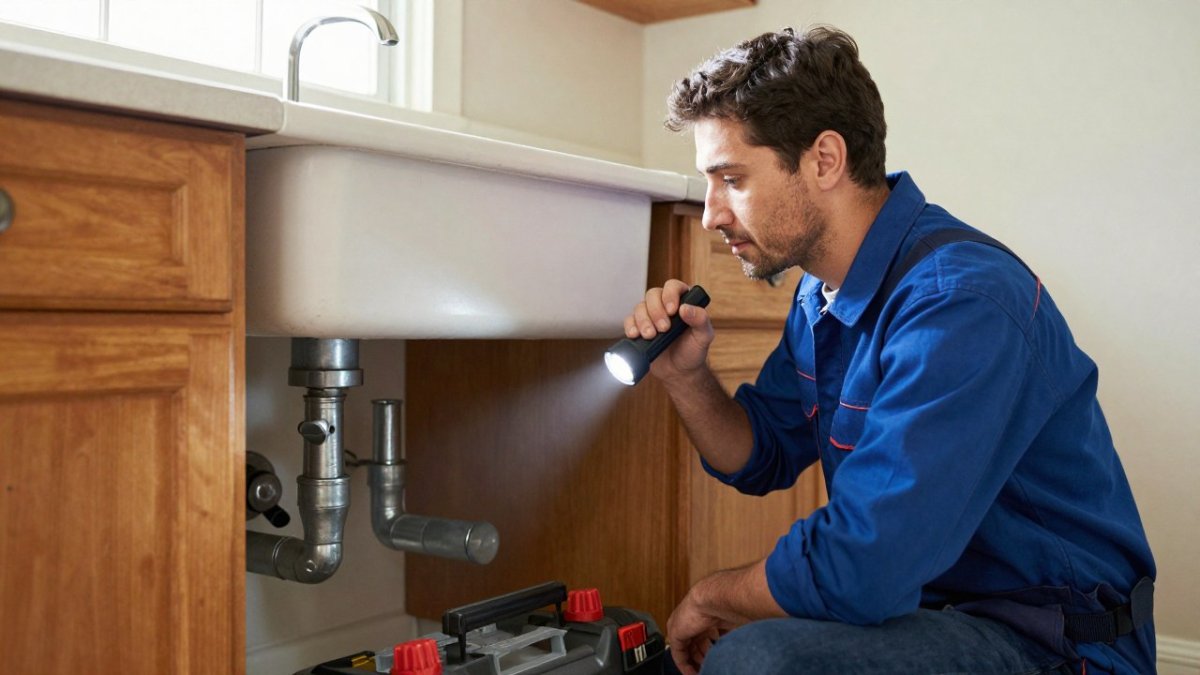
One localized leak might just be bad luck, but leaks in three different rooms over two years means the system is done. The U.S. Environmental Protection Agency’s guidance on household plumbing notes that older pipe materials can affect both water quality and flow over time.
Full vs. Partial Repiping: Which One Fits Your Home
Full repiping replaces every water supply line; partial repiping replaces only the worst sections. If pipes share the same age and material, they’ll likely fail together.
PEX is a common replacement material for repiping projects, and it resists corrosion (PEX Pipe and Tubing). Copper is another option for homeowners who want metal pipe. See our comparison of copper repiping vs PEX and this guide to repiping vs spot repair.
Here is how the two repiping approaches compare.
| Option | What it replaces | Key difference |
|---|---|---|
| Full repiping | Every water supply line | Best when pipes share age and material |
| Partial repiping | Only the worst sections | Leaves same-age pipes in place |
| PEX | Common replacement material | Resists corrosion |
| Copper | Metal pipe option | For homeowners who want metal pipe |
What to Expect When Repiping a House
- Assessment and permit: a licensed plumber inspects the system and pulls permits
- Teardown: old lines are cut out
- Installation: new PEX or copper lines are run
- Testing: the system is pressure-tested and flushed
- Restoration: drywall patches and paint finish the job
For a fuller walkthrough, see our guide to the residential repiping timeline, and our breakdown of whole house repiping cost explains what drives the final number.
If your 1970s home is showing rusty water, falling pressure, or repeat leaks, guessing is the expensive path. Hydroworks Plumbing sends a licensed and insured team to diagnose the system accurately, explain your options in plain terms, and give you upfront cost information before any work begins. We offer 24/7 emergency service when a pipe lets go at the worst possible time. Get started with Hydroworks Plumbing and get an honest assessment of whether repiping is truly necessary for your home.
Frequently Asked Questions
How do I know if my 1970s house needs whole house repiping?
Look for a pattern, not one incident. Rusty or discolored water at multiple taps, low water pressure across the house, and recurring leaks in different spots all point to system-wide deterioration rather than a single bad joint. Pipe material matters too: galvanized steel from that era corrodes from the inside out, and polybutylene has a history of failures. A licensed plumber can assess pipe condition directly before you commit to whole house repiping.
Does a 1970s home need full or partial repiping?
It depends on how far the damage spreads. Partial repiping replaces only the failing runs and can make sense when one section has failed but the rest tests sound. Full repiping replaces the entire water supply system and is usually the better call when problems show up in several areas, when pipes are original galvanized steel, or when you plan to stay in the home long term. A pipe inspection is what separates the two cases.
Should I repipe a 1970s house with PEX?
PEX is a common choice for repiping because it resists corrosion. Copper remains an option with a longer track record but costs more in material and labor. The right pick depends on your budget, local code requirements, and how your home is laid out. Ask your plumber to explain both before work begins.