Last Updated: November 24, 2026
Quick Summary
Professional drain cleaning is worth it once water pools, drains gurgle, or the same clog returns within a few weeks, since these signs mean the blockage sits past a hand snake’s reach. Most homes need a professional cleaning every 12 to 24 months, and older pipes or recurring clogs warrant once a year.
- Call a professional when two or more fixtures back up at once, a main-line sign.
- A hand snake or plunger suits a soft clog near the trap in one fixture.
- Repeated chemical cleaner use can damage older pipe and often sits on top of the clog.
- A camera inspection locates the clog and checks pipe condition before cleaning.
- Hydro-jetting strips grease, soap scum, and sediment off pipe walls to restore flow.
Table of Contents
- Signs You Need Professional Drain Cleaning
- Professional Drain Cleaning vs. DIY
- How Plumbers Clean Drains
- How Often to Clean Household Drains
- Frequently Asked Questions
Signs You Need Professional Drain Cleaning
Is professional drain cleaning worth it? For many homes, yes, once water starts pooling or drains gurgle. Signs that often point to the need for a drain cleaning service include standing water, slow drainage across multiple fixtures, recurring clogs in the same drain, and a lingering sewer smell.
Hair, grease, and soap scum narrow the line over time. One slow sink is a nuisance; two or three fixtures backing up at once usually means a deeper blockage a chemical cleaner will not reach.
- Water pools and drains slowly in more than one fixture
- The same clog returns within a few weeks
- Drains gurgle or bubble after use
- A sewer odor stays in the room
- Water backs up when the washing machine runs
If any of these sound familiar, the clog has moved past a surface fix.
Professional Drain Cleaning vs. DIY
Most clogs are either a soft, localized blockage you can address yourself or a symptom of a deeper problem a hand tool and chemicals will not fix.
A hand snake or plunger handles a soft clog near the trap, hair in a bathroom sink, paper in a toilet, food debris past the kitchen strainer. If only one fixture is affected, drains slowly rather than standing, and the clog is recent, DIY is a reasonable first step.
DIY stops being reasonable when a single fixture re-clogs every few weeks, or two or more fixtures back up at once, usually a blockage in a branch or main line past a hand snake’s reach. Chemical cleaners are the riskiest option: repeated use can damage older pipe, and the chemical often sits on top of the clog rather than clearing it.
| Situation | Reasonable DIY approach | When to call a professional |
|---|---|---|
| One sink or tub draining slowly | Plunger or hand snake at the trap | Clog returns within a few weeks |
| Toilet clogged with paper | Flange plunger, then a closet auger | Water backs up when other fixtures run |
| Kitchen sink with grease buildup | Hot water flush, strainer cleaning | Grease has cooled and coated the pipe wall |
| Multiple fixtures backing up | None, this is a main-line sign | Call for camera inspection and augering |
| Sewer odor in the room | None | Call, odor can signal a vent or line problem |
| Older home with cast-iron or clay pipe | Avoid chemical cleaners entirely | Call, method must match pipe condition |
Pipe material matters as much as the clog. Older cast-iron, clay, and galvanized lines are fragile, and a hand snake or chemical cleaner can do more harm than good. If you are weighing the two paths, our comparison of DIY plumbing vs. professional plumber breaks down when each makes sense.
How Plumbers Clean Drains
1. Diagnosis. The technician asks which fixtures are affected and how long the problem has been building, then runs a camera inspection to locate the clog and check pipe condition. Slow drainage can come from grease, root intrusion, a collapsed section, or a belly in the line, and each calls for a different method.
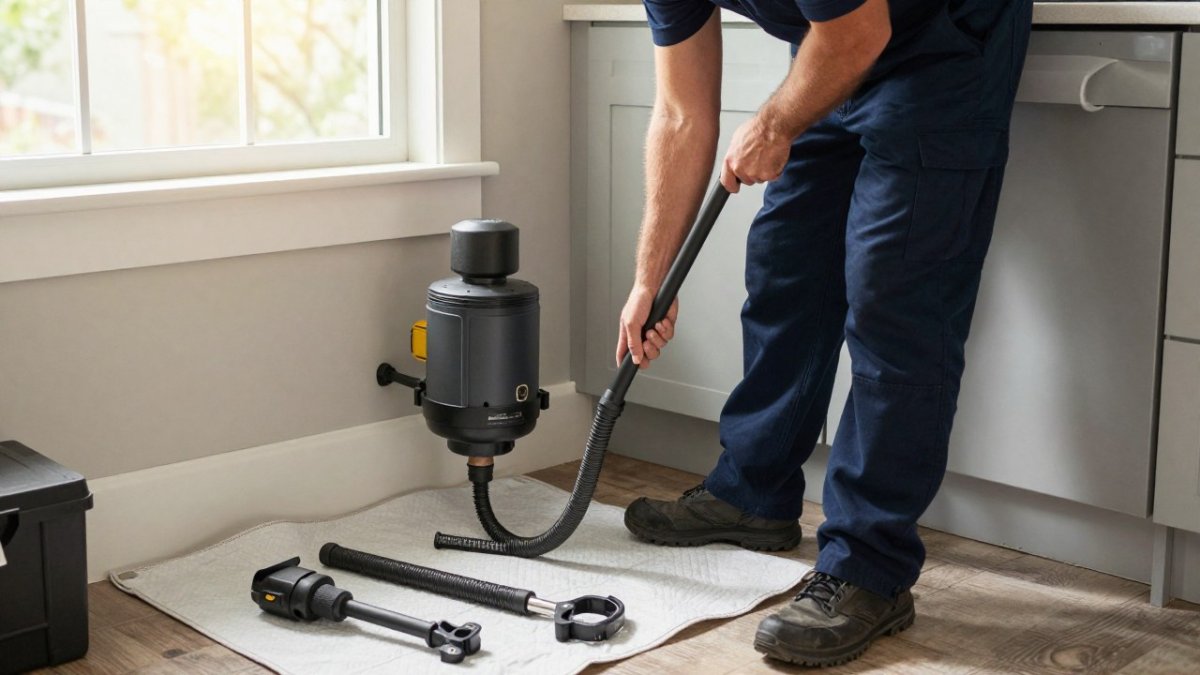
2. Method selection. A mechanical auger (drain snake or rooter) breaks through solid blockages and root intrusion quickly. Hydro-jetting uses high-pressure water to strip grease, soap scum, and sediment off the walls and restore full flow. For heavy buildup, hydro jetting drain cleaning clears the line without harsh chemicals.
3. Cleaning and verification.
4. Cleanup and report.
How Often to Clean Household Drains
Most homes need a professional cleaning every 12 to 24 months. Older pipes, heavy kitchen use, or a history of recurring clogs warrant once a year. Preventive maintenance can remove buildup before it becomes a sewer backup.
Before you hire anyone, know the red flags when hiring a plumber so you can spot an upsell. When you are ready to schedule, contact us for current pricing or a quote.
A slow drain rarely fixes itself, and waiting usually turns a simple cleaning into a bigger repair. Hydroworks Plumbing offers 24/7 emergency service, a licensed and insured team, and upfront cost information before any work begins. We diagnose the actual cause with modern equipment, then recommend the method that fits your pipe condition. Get started with Hydroworks Plumbing and clear the blockage for good.
Frequently Asked Questions
Why do plumbers say not to use chemical drain cleaners?
Chemical drain cleaners rely on caustic or acidic ingredients that generate heat and can soften or crack older pipes, especially the cast iron and galvanized steel common in pre-1980 East Bay homes. They also rarely clear the full blockage, so the clog returns.
When should I call a plumber for a clogged drain?
Call a professional plumber when a slow drain keeps returning after plunging, when multiple fixtures back up at once, or when you smell sewer gas. Those signs point to a main drain line or sewer line blockage rather than a single fixture. Recurring clogs and gurgling sounds also warrant a camera inspection before the problem grows into a sewer backup.
Can professional drain cleaning prevent recurring clogs?
Professional drain cleaning can remove grease buildup, soap scum, hair and debris from the drain line, which may reduce the chance of a repeat clog.